
The Untapped Potential Sitting Beneath Most Homes
Most homeowners walk past the basement door dozens of times each week without giving much thought to what that space could become. An unfinished basement represents some of the most cost-effective square footage available to any homeowner because the foundation, framing, and roof are already in place. What remains is the transformation from raw utility space into something the entire household can genuinely use and enjoy every day.
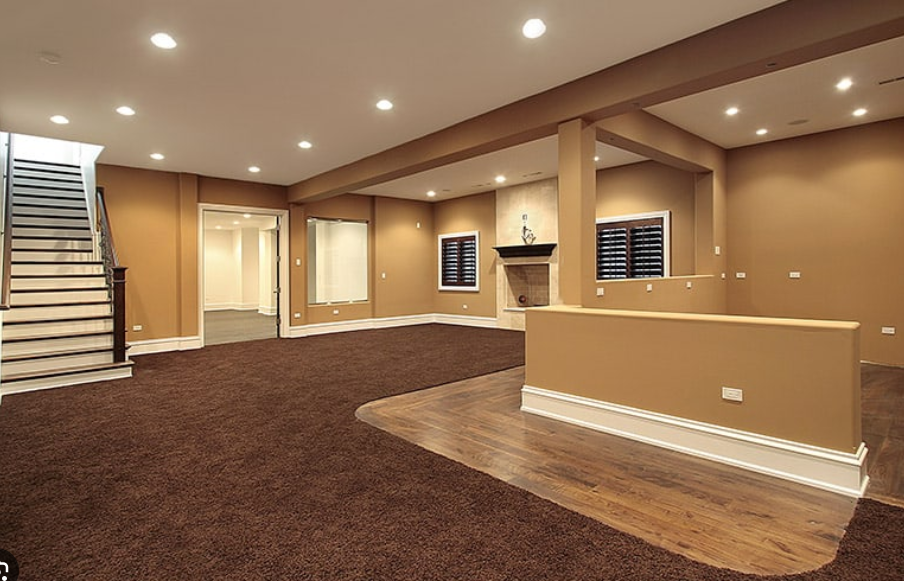
Your Basement Is More Livable Than You Realize
The square footage sitting beneath a home is often the most overlooked opportunity for meaningful improvement on the entire property. Homeowners ready to unlock that potential partner with a skilled basement finishing contractor Woodstock GA who brings the technical knowledge and design vision to transform an underutilized space into one of the most valued areas of the home.
Finished Basements Add Livable Square Footage at a Fraction of the Cost
To begin with, adding livable space to a home through an addition or an accessory structure requires significant investment in foundation work, framing, roofing, and exterior finishing that a basement project largely bypasses. The structural shell of a basement already exists, which means the investment goes almost entirely toward the interior transformation rather than the foundational work that consumes such a large portion of above-grade addition budgets.
The Space Can Be Designed Around Whatever the Household Needs Most
Furthermore, one of the most appealing aspects of a basement finishing project is the flexibility it offers in terms of how the space is ultimately configured and used. Families with growing children create dedicated playrooms that contain the activity and the noise in a space designed for it. Remote workers convert unfinished storage into professional home offices that provide the separation from household activity that productivity requires.
Moisture Management Is the Technical Foundation of Every Successful Basement Finish
Another dimension of basement finishing that requires more technical attention than above-grade remodeling is moisture management. Basements exist partially or entirely below grade, which means they are inherently more susceptible to moisture intrusion than any other area of the home. A basement finishing contractor who approaches this reality seriously addresses drainage, waterproofing, vapor barriers, and ventilation as foundational elements of the project rather than afterthoughts applied after framing and drywall are already in place.
Proper Permitting Protects the Investment and the Future Sale
Finally, basement finishing projects require permits in most jurisdictions, and completing the work without them creates problems that extend well beyond the construction phase itself. Unpermitted finished space cannot be legally counted in the home’s square footage for appraisal and listing purposes, which directly affects the property’s market value. More significantly, unpermitted work discovered during a future sale can trigger requirements to open walls, expose systems for inspection, and bring everything to current code at the homeowner’s expense before the transaction can proceed.
Conclusion: Your Basement Is More Livable Than You Realize
To wrap it all up, finishing a basement delivers livable square footage at exceptional cost efficiency, accommodates virtually any functional vision the household brings to it, requires serious technical attention to moisture management, and demands proper permitting to protect its full value now and at the time of future sale. The space is already there, already enclosed, and already waiting to become something far more valuable than storage and mechanical equipment.
Recent Comments