
What It Really Takes to Be an Industrial Electrician
Industrial electrical work is not just about flipping switches or running wire. It demands a specific combination of technical knowledge, hands-on skill, and an unwavering commitment to safety. Whether you are managing a manufacturing facility or overseeing a large-scale operation, understanding what industrial electricians actually do helps you make smarter decisions for your business.
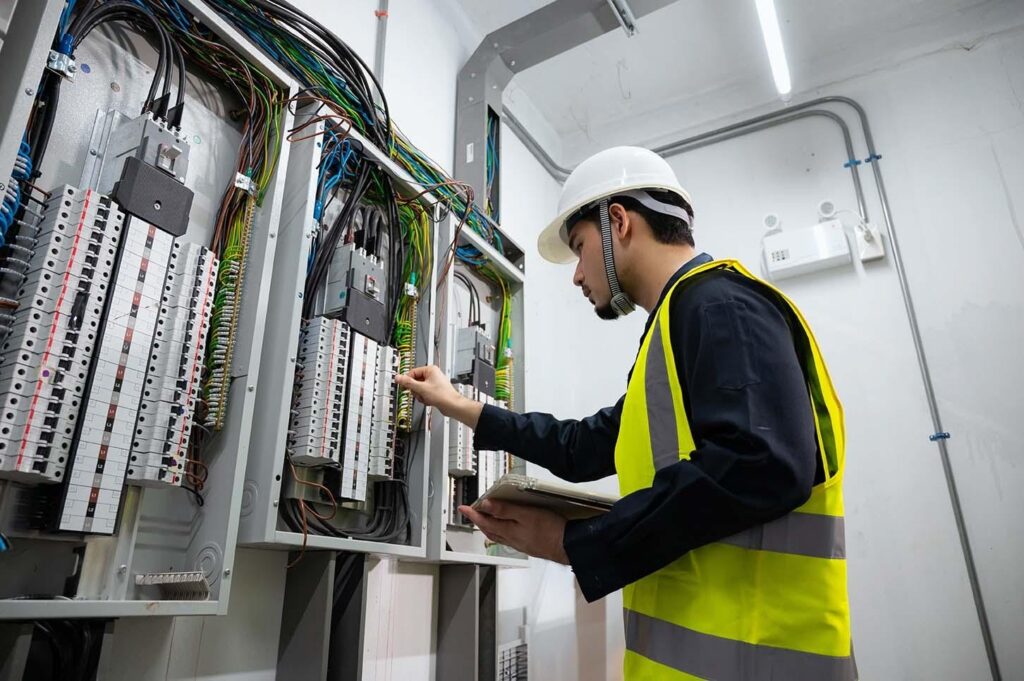
The Backbone of Every Industrial Operation
When something goes wrong with the electrical systems powering your facility, the consequences extend far beyond a minor inconvenience. Production halts, equipment gets damaged, and in some cases, worker safety is put at serious risk. That is why businesses across the country turn to experienced professionals for help. For reliable expertise in your area, industrial electrician Charleston SC services connect you with specialists who understand the demands of high-voltage, high-stakes environments.
Industrial Electricians Handle Far More Than Repairs
Many people underestimate the scope of work industrial electricians take on. Beyond routine maintenance and emergency repairs, they install and configure complex systems including motor controls, programmable logic controllers, transformers, and switchgear. Each of these components plays a critical role in keeping an industrial facility running safely and efficiently. A skilled industrial electrician reads blueprints, interprets technical diagrams, and troubleshoots issues that would stump even experienced general electricians.
Safety Standards Drive Every Decision on the Job
Industrial electrical environments operate under strict codes and safety regulations for good reason. High-voltage systems, heavy machinery, and demanding production schedules create conditions where a single oversight can lead to catastrophic results. Qualified industrial electricians are trained to work within National Electrical Code standards and OSHA guidelines, ensuring every installation and repair meets the requirements that protect both workers and equipment. Safety is not an afterthought in this field. It is the foundation of every decision made on the job.
Preventive Maintenance Saves Money Over Time
One of the most valuable services an industrial electrician provides is proactive maintenance. Rather than waiting for a system failure to disrupt operations, scheduled inspections and testing catch potential problems early before they escalate into costly breakdowns. Infrared scanning, load testing, and equipment calibration are just a few of the tools professionals use to keep industrial systems performing at peak efficiency. Businesses that invest in preventive maintenance consistently see lower repair costs and fewer unplanned shutdowns over the long term.
Experience and Certifications Set the Best Apart
Not every electrician is equipped to handle the complexity of an industrial environment. The best professionals in this field hold relevant certifications, pursue ongoing training, and bring years of hands-on experience across diverse industrial settings. When evaluating a contractor or in-house specialist, look for demonstrated expertise in the specific systems your facility relies on. Credentials matter, but a proven track record of solving real-world industrial electrical challenges matters even more.
Conclusion: The Backbone of Every Industrial Operation
To bring it all together, industrial electricians are essential to the safety, efficiency, and continuity of any facility that relies on complex electrical systems. From initial installation and preventive maintenance to emergency troubleshooting and code compliance, their expertise touches every part of your operation. Choosing the right industrial electrician means choosing a professional who brings both the technical knowledge and the field experience to handle whatever challenges your facility demands. Do not wait for a failure to remind you how much this role truly matters.

Recent Comments